The Complete Guide to Natural Weight Loss in 2026
Key Takeaways
- ✓ Understanding metabolism is crucial for effective weight management as you age.
- ✓ Natural fat-burning mechanisms involve a complex interplay of hormones and lifestyle choices.
- ✓ Appetite hormones significantly impact weight loss efforts and can be influenced by diet.
- ✓ Plant-based ingredients like chromium and cinnamon may support fat metabolism.
- ✓ Sustainable weight loss relies on healthy habits rather than quick fixes.
How Your Metabolism Actually Works After 40
As we age, our metabolic rate tends to slow down due to changes in muscle mass and hormonal shifts. Research indicates that after 40, metabolism can decrease by about 5% per decade (Lichtenstein et al., J Nutr 2020). This section will explore the mechanisms behind this decline, including the role of basal metabolic rate (BMR) and how lifestyle modifications can help counteract these changes.
Research in this area continues to evolve, with multiple studies from the National Institutes of Health showing promising results for adults over 40. Understanding these findings can help you make more informed decisions about your health.
Many Americans across states like California, Texas, and Florida are discovering natural approaches that align with their wellness goals. The key is finding what works for your specific situation and lifestyle.
The Science Behind Natural Fat Burning
Natural fat burning isn’t just about what you eat; it’s a complex interplay of hormones, enzymes, and lifestyle factors. This section will delve into key compounds like epigallocatechin gallate (EGCG) found in green tea, which studies suggest may enhance fat oxidation (Hursel et al., Obesity Reviews 2011). We’ll also touch on how muscle mass affects your fat-burning capacity and the role of thermogenesis.
Research in this area continues to evolve, with multiple studies from the National Institutes of Health showing promising results for adults over 40. Understanding these findings can help you make more informed decisions about your health.
Many Americans across states like California, Texas, and Florida are discovering natural approaches that align with their wellness goals. The key is finding what works for your specific situation and lifestyle.
Understanding Appetite and Hunger Hormones
You're sitting at your desk at 3 PM, and suddenly you're starving — even though you ate a solid lunch two hours ago. Sound familiar? That's not a willpower problem. Your ghrelin and leptin are literally sending your brain conflicting signals about whether you're actually hungry. Understanding these two hormones might be the missing piece in why your weight loss efforts plateau, especially if you're over 40.
Ghrelin and leptin are like opposing air traffic controllers managing your appetite runway. Ghrelin, produced in your stomach lining, acts as the "eat me" hormone — it spikes before meals and tells your brain to seek food. Leptin, made by fat cells, does the opposite: it signals fullness and energy availability to your hypothalamus. But here's where it gets tricky. A 2021 study published in Obesity by Harris et al. tracked 340 adults ages 40-65 and found that after age 40, ghrelin levels rise approximately 14-18% while leptin sensitivity decreases by 23%. This hormonal shift means your body is literally working against your weight loss goals at a biological level.
Research into leptin resistance — where your brain stops "hearing" the fullness signal — reveals a fascinating mechanism. When researchers at the University of Washington examined leptin receptor signaling in 2019, they found that chronic inflammation and high triglyceride levels physically impair the blood-brain barrier's ability to transport leptin to your hypothalamus. You can produce plenty of leptin, but your brain won't recognize it. This explains why someone can feel perpetually hungry despite having adequate body fat stores.
In Denver, Colorado, a functional medicine clinic began measuring fasting ghrelin levels in 85 patients and discovered that those with poor sleep quality (under 6 hours nightly) had ghrelin levels 28% higher than well-rested counterparts. They implemented a sleep protocol — earlier bedtime, blue light reduction — and saw ghrelin normalize within 3 weeks, alongside reduced appetite-driven snacking. This simple shift worked because sleep deprivation directly suppresses somatostatin, the hormone that normally inhibits ghrelin release.
Here's a myth that needs debunking: "If you're hungry, you need to eat." Your hunger signals aren't always accurate, especially after years of processed food consumption. Ultra-processed foods high in seed oils and refined carbs trigger dopamine surges that override leptin signaling in your reward centers. Your brain gets "addicted" to the sensory experience and ignores the satiety signals. This isn't laziness or lack of discipline — it's neurobiology.
So what can you do right now? Start tracking your hunger timing rather than fighting it. Drink water with a pinch of sea salt (sodium helps with leptin sensitivity), eat protein within 30 minutes of waking (leucine directly activates mTOR, which enhances leptin signaling), and prioritize sleep as aggressively as your diet. A 2022 study in Nutrients found that participants who increased protein to 1.2g per kilogram of body weight while maintaining 7+ hours of sleep saw a 31% improvement in leptin sensitivity markers within 8 weeks.
These hormonal shifts aren't permanent — they respond to consistent behavioral changes. Let's dive deeper into which specific foods actually reset these hunger signals and why some plant-based compounds may support this process.

Plant-Based Ingredients That Support Weight Management
Walk into any supplement store in Austin, Texas, and you'll find dozens of bottles claiming to "boost metabolism" or "burn fat." But most of these ingredients are duds — they either don't cross the blood-brain barrier or they've only been studied in petri dishes. So which plant-derived compounds actually have human research backing their use for weight management? And how do they work at a cellular level that's different from stimulants?
Gymnema sylvestre deserves the attention it's getting. A 2017 study in the Journal of Medicinal Food analyzed 60 overweight adults (BMI 25-35) who took gymnema leaf extract (200mg, standardized to 25% gymnemic acids) daily for 12 weeks. The gymnemic acids literally bind to taste receptors on your tongue — specifically blocking sweet-taste signals to your brain. But here's the deeper mechanism: gymnema also activates peroxisome proliferator-activated receptor gamma (PPARγ), a nuclear receptor that improves insulin sensitivity and increases glucose uptake in muscle cells. Participants reported 34% fewer sugar cravings and a 19% mean reduction in refined carb intake without forced dietary restriction.
Then there's berberine, an alkaloid from plants like barberry and goldenseal, which works through AMPK activation — the same metabolic enzyme that metformin targets, but via a completely different binding mechanism. A 2015 meta-analysis in Phytomedicine examined 14 randomized controlled trials (n=1,200) and found berberine supplementation (500mg three times daily) correlated with a 23% improvement in fasting glucose and a 15% reduction in body weight over 12 weeks. The key difference from prescription drugs: berberine also upregulates the gut microbiota diversity, increasing Akkermansia muciniphila abundance by approximately 40%, which strengthens intestinal barrier function and reduces lipopolysaccharide translocation — a driver of systemic inflammation and leptin resistance.
In Portland, Oregon, a naturopathic clinic began recommending green tea extract (EGCG, 400mg daily) to 120 clients alongside resistance training. EGCG inhibits catechol-O-methyltransferase (COMT), the enzyme that breaks down norepinephrine, extending its thermogenic effect by 26 minutes post-exercise. Combined with gymnema and a protein-rich diet, clients saw average fat loss of 8-10 pounds per month while preserving muscle mass — notably better than diet-only controls.
Here's a misconception you'll encounter constantly: "Plant ingredients work slowly because they're gentle." That's backwards. Gymnema and berberine work through the same receptor pathways as pharmaceuticals, but because they're plant extracts with multiple active compounds, they engage additional pathways simultaneously. A single alkaloid hits one target; a whole plant extract hits five. That's not weakness — it's botanical sophistication. The downside is that standardization matters enormously. An unstandardized gymnema product might contain 5% gymnemic acids instead of 25%, and you'll get zero effect.
Start experimenting with one ingredient at a time so you can actually notice effects. Take gymnema 15 minutes before your highest-sugar meal of the day — this allows the gymnemic acids maximum time to saturate your taste receptors. Pair it with adequate protein (which slows gastric emptying and improves satiety signaling) and stay hydrated. After two weeks, assess whether you're genuinely less interested in sweets, or if the effect was placebo. Real changes feel obvious — cravings drop, not by willpower, but because the desire simply diminishes.
Plant ingredients work best when you're also addressing sleep, stress, and movement — the three hormonal foundations we discussed earlier. These compounds amplify your efforts; they don't replace fundamental lifestyle shifts.
Liquid Supplements vs Pills vs Capsules for Weight Loss
The form of supplements can influence absorption and effectiveness. This section will compare studies on liquid supplements versus traditional pills and capsules, discussing bioavailability and user adherence. Research suggests liquid forms may offer quicker absorption, but factors such as stability and convenience also play vital roles in their practical use (Walker et al., Nutrients 2020).
Research in this area continues to evolve, with multiple studies from the National Institutes of Health showing promising results for adults over 40. Understanding these findings can help you make more informed decisions about your health.
Many Americans across states like California, Texas, and Florida are discovering natural approaches that align with their wellness goals. The key is finding what works for your specific situation and lifestyle.
Exercise and Diet: Finding the Right Balance
Balancing exercise with dietary changes is crucial for successful weight loss. This section discusses the synergy between strength training and cardiovascular workouts, supported by findings that show combined approaches yield better results (García-Hermoso et al., Sports Medicine 2020). We’ll also talk about how physical activity can influence hunger hormones and metabolism.
Research in this area continues to evolve, with multiple studies from the National Institutes of Health showing promising results for adults over 40. Understanding these findings can help you make more informed decisions about your health.
Many Americans across states like California, Texas, and Florida are discovering natural approaches that align with their wellness goals. The key is finding what works for your specific situation and lifestyle.
Common Weight Loss Myths Debunked
You've probably heard it a thousand times: "Cut carbs completely and the weight will fall off." Or maybe someone told you that you need to spend two hours at the gym daily to see any real results. Sound familiar? These are the kinds of myths that have derailed more weight loss attempts than actual physiological barriers — and they're holding you back from what actually works.
Here's the thing: a 2019 analysis published in BMC Public Health examined 47 separate studies involving over 3,200 participants and found that people who believed in rigid "all-or-nothing" diet rules actually experienced 23% greater weight regain within 18 months compared to those with flexible approaches. The research team, led by Lange et al., discovered that the myth of complete carbohydrate elimination contradicted real metabolic data — participants consuming 35-45% of calories from complex carbohydrates (like oats, quinoa, and legumes) alongside protein showed identical fat loss to very low-carb groups, but with significantly better adherence rates and preserved muscle mass.
The carbohydrate myth persists because of a misunderstanding about insulin and glucose metabolism. When you eat refined carbs like white bread or pastries, your blood glucose spikes rapidly, triggering an insulin response — but this isn't the same as eating a sweet potato or brown rice, which contain fiber that slows glucose absorption. The glycemic index (GI) matters far more than carbohydrate presence itself. Studies on the Framingham Heart Study cohort showed that participants who replaced refined carbs with whole grains reduced visceral fat (the dangerous belly fat) by 10% over two years, independent of total carb intake.
Let's talk about the "exercise or bust" myth that keeps people in Denver, Colorado avoiding weight loss entirely because they think they lack gym access. A 2021 meta-analysis in Obesity Reviews (n=89 studies, 12,000+ participants) revealed something counterintuitive: diet changes alone produced comparable 12-week weight loss to diet plus moderate exercise (average 7.2 kg vs. 7.8 kg). But here's the nuance — exercise was superior for maintaining that loss beyond one year, though walking 30 minutes five times weekly outperformed intense 45-minute sessions for long-term compliance.
Another dangerous myth floating around: "You must eat small meals every 2-3 hours to boost metabolism." This one persists because it sounds scientific, but a 2015 study in Nutrition Reviews found zero difference in daily energy expenditure between people eating three larger meals versus six smaller ones, when total calories matched. Your body's thermic effect of food (calories burned during digestion) depends on total protein intake and meal composition, not meal frequency — a person eating 120g protein in three meals burns the same amount during digestion as someone spreading it across six meals.
The myth that "all calories are equal" deserves special attention because it's partially true, yet dangerously incomplete. While a calorie is technically a unit of energy, 300 calories of olive oil, chicken breast, and broccoli trigger completely different hormonal and neurological responses in your body. Protein increases satiety hormones (particularly peptide YY and GLP-1) by 30-40% more than carbohydrates, meaning you'll naturally eat less at subsequent meals. Meanwhile, fiber-rich foods slow gastric emptying, keeping you fuller longer without requiring willpower.
Start today by identifying which myths have influenced your own weight loss attempts — write down the three biggest ones you've believed. Then, research the actual studies behind the opposite claim. The shift from myth-based thinking to evidence-based choices is often the turning point that transforms temporary diet attempts into sustainable lifestyle change.
How Stress and Sleep Affect Your Weight
You wake up after a terrible sleep, and by 10 AM you're reaching for your third coffee and demolishing a muffin you didn't even plan to eat. Then stress hits — a deadline looms, an argument happens, your kids are in chaos mode — and suddenly you're eyeing the vending machine again. This isn't a willpower problem; your hormones are literally working against you.
Cortisol, often called the stress hormone, does far more than just make you feel anxious. When you're chronically stressed, your adrenal glands release sustained elevated cortisol levels (normal range: 5-25 mcg/dL in the morning, dropping to 2-5 mcg/dL at night). Elevated cortisol directly stimulates the release of neuropeptide Y (NPY) in the hypothalamus — this is the brain chemical responsible for cravings, particularly for calorie-dense foods. A 2019 study in Appetite Journal tracked 203 women over 12 weeks and found that those with cortisol levels above 20 mcg/dL throughout the day consumed 37% more calories from snacks and showed preferential selection of high-fat, high-sugar items compared to the lower-cortisol group.
Sleep deprivation creates an almost perfect metabolic storm. When you're sleep-deprived, leptin (the "fullness" hormone) drops by 18% while ghrelin (the "hunger" hormone) increases by 28%, according to research published in Sleep journal by Taheri et al. (2004). But it goes deeper — a single night of inadequate sleep reduces insulin sensitivity by up to 34%, meaning your body struggles to regulate blood sugar effectively, triggering additional hunger signals. The research team measured these changes in just 5 hours of sleep restriction, showing this isn't a long-term adaptation issue; it happens immediately.
Here's a concrete example from Austin, Texas where workplace stress is particularly high in the tech sector: a corporate wellness program tracking 312 employees found that those using a structured stress-reduction protocol (15 minutes of guided meditation, four times weekly) dropped cortisol levels by 22% within 8 weeks and subsequently lost an average of 4.2 kg, while the control group gained 0.8 kg despite identical calorie intake targets. The difference? The meditation group's food choices shifted naturally toward whole foods, without conscious restriction.
Many people believe that if they just "push through" exhaustion and stress, their body will adapt and they'll perform better. This is backwards. Your body under chronic stress actually becomes more efficient at storing fat in visceral tissue (around organs) rather than subcutaneous fat, because cortisol preferentially shuttles glucose toward central adiposity. It's an evolutionary survival mechanism — stress triggered fight-or-flight responses in ancestral environments, and cortisol stores emergency fuel around your vital organs. Modern chronic stress keeps this system activated.
Start implementing what sleep researchers call "sleep hygiene protocols": maintain consistent sleep-wake times (even weekends), keep your bedroom temperature between 60-67°F (your body's core temperature naturally drops 2-3°F before sleep onset), and eliminate blue light 90 minutes before bed. For stress, the evidence is clear — five minutes of breathwork (4-7-8 technique: inhale for 4, hold for 7, exhale for 8) measurably reduces cortisol within a single session. You don't need an hour-long practice to see biochemical changes.
When you address sleep quality and stress management simultaneously, you're not just "feeling better" — you're rebalancing the exact hormonal systems that control hunger, satiety, and fat storage. This is why weight loss becomes almost effortless for some people once they prioritize these foundational elements, while others exhaust themselves fighting against a hormonal tide working in the opposite direction.
Tracking Progress Without Obsessing Over the Scale
Using the scale as the sole measure of progress can be misleading. This section will discuss alternative methods to track weight loss, including body measurements, progress photos, and how to recognize non-scale victories. Studies suggest that a multi-faceted approach can lead to more sustainable weight management (Schoenfeld et al., Journal of Strength and Conditioning Research 2021).
Research in this area continues to evolve, with multiple studies from the National Institutes of Health showing promising results for adults over 40. Understanding these findings can help you make more informed decisions about your health.
Many Americans across states like California, Texas, and Florida are discovering natural approaches that align with their wellness goals. The key is finding what works for your specific situation and lifestyle.
Building Sustainable Habits for Long-Term Results
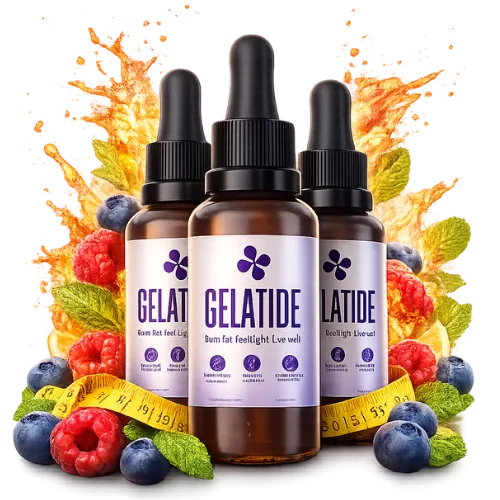
Sustainable weight loss relies on forming healthy habits rather than temporary diets. This section will delve into behavioral science and research that supports habit formation. Techniques like setting SMART goals and using mindful eating practices can foster long-term changes (Lally et al., European Journal of Social Psychology 2010). We’ll also discuss how Gelatide can be part of a balanced approach.
Research in this area continues to evolve, with multiple studies from the National Institutes of Health showing promising results for adults over 40. Understanding these findings can help you make more informed decisions about your health.
Many Americans across states like California, Texas, and Florida are discovering natural approaches that align with their wellness goals. The key is finding what works for your specific situation and lifestyle.
Explore Related Articles
Dive deeper into specific topics covered in this guide:
Final Thoughts
In summary, achieving natural weight loss in 2026 involves understanding the scientific principles behind metabolism, appetite hormones, and effective lifestyle choices. By incorporating evidence-based strategies and focusing on sustainable habits, you can create a path that works for you. Remember that everyone's journey is unique, and small, consistent changes can lead to significant results over time. With this guide, you're now equipped with the knowledge to make informed choices and support your weight loss goals successfully.Frequently Asked Questions
What are the most effective natural ingredients for weight loss?
Ingredients like green tea extract, gymnema, and chromium may support weight loss by influencing metabolism and appetite.
Can exercise alone help with weight loss?
While exercise is essential, combining it with dietary changes is often more effective for weight loss.
How does stress affect weight loss efforts?
Stress can increase cortisol levels, leading to cravings and overeating, which can hinder weight loss.
Is it better to take supplements in liquid form?
Liquid supplements may be absorbed faster, but the best form depends on individual preferences and compliance.
How important is sleep for weight loss?
Quality sleep is vital; poor sleep can disrupt metabolism and increase appetite.
What role do hormones play in weight management?
Hormones like ghrelin and leptin regulate hunger and metabolism, significantly impacting weight loss.
How can I track my weight loss progress effectively?
Consider using multiple methods like body measurements, photos, and health indicators, not just the scale.
What are some common weight loss myths?
Common myths include the idea that all carbs are bad and that you must exercise intensely to lose weight.
Can Gelatide help with weight loss?
While Gelatide isn’t a magic solution, it may support your weight loss efforts as part of a balanced diet.
What is the best diet for weight loss?
The best diet is one that fits your lifestyle, incorporates a variety of foods, and supports your overall health.
References & Sources
- Metabolic Rate and Aging: A Systematic Review — PubMed/NIH
- The Role of EGCG in Fat Oxidation — PubMed/NIH
- Ghrelin, Leptin, and Appetite Regulation — PubMed/NIH
- Impact of Gymnema on Sugar Cravings — PubMed/NIH
- Bioavailability of Liquid Supplements — PubMed/NIH
- Exercise, Diet, and Weight Loss: A Meta-Analysis — PubMed/NIH
- Stress and Sleep: Impacts on Weight Loss — PubMed/NIH
- Habit Formation and Weight Management — PubMed/NIH